
The Dairy Hub projects help to build sustainable value chains1 by collaborative projects that assist smallholder farmers in increasing milk production, quality, profitability, as well as caring for animal welfare.
Since 2011, we have helped connect local dairy smallholder farmers with our customers to meet the demand for quality, locally-produced milk, benefiting the livelihood of both the smallholder farmers and their communities. Looking ahead, we aim to amplify the impact of the Dairy Hub projects by expanding their number and continuing to cascade knowledge and technical trainings to more smallholder dairy farmers around the world.


Why Dairy Hubs are important
Smallholder farmers play a critical role in global dairy, producing a significant share of the world’s milk supply. Yet many operate in informal markets with limited access to training, infrastructure, or fair pricing. According to the International Farm Comparison Network, around 58% of milk globally is sold to processors, while much of the rest is consumed in households or informal markets.2
Within the next decade, our global demand for milk is set to overtake supply, putting the dairy industry under immense pressure. With our industry expertise, we help secure a long-term supply of locally produced high-quality milk and thereby minimise food loss.

Helping smallholder farmers produce high-quality milk
Dairy Hub projects are collaborative initiatives intended to support customers in receiving a stable long-term supply of locally produced quality milk.
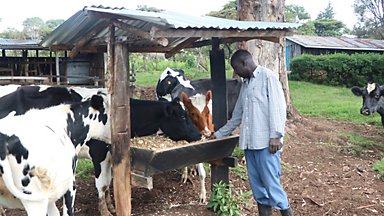
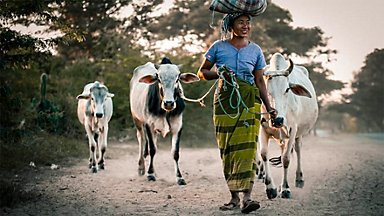
Dairy Hubs link smallholder farmers to a dedicated dairy processor in a selected area and our international dairy experts provide technical assistance and training to the farmers. By training services and, in some cases, setting up appropriate cooling infrastructure and technology, the supply of locally produced quality milk is increased, and the smallholder farmers are provided access to market.




Enhancing milk collection every day
In Nigeria, smallholder farmers face challenges such as limited access to clean water and gaps in the milk supply chain. To tackle these issues in local rural areas, Tetra Pak has donated solar-powered boreholes and stainless-steel milk collection containers to dairy-producing communities.
Enhancing milk collection every day
In Nigeria, smallholder farmers face challenges such as limited access to clean water and gaps in the milk supply chain. To tackle these issues in local rural areas, Tetra Pak has donated solar-powered boreholes and stainless-steel milk collection containers to dairy-producing communities.
Food for Development
Tetra Pak Food for Development drives the development of the dairy and food value chain through cooperation with customers, governments, development agencies, funding organisations and NGOs around the world.
Through collaboration with organisations and alliances including the World Food Programme (WFP), Global Child Nutrition Foundation (GCNF), International Dairy Federation (IDF) and UN Industrial Development Organisation (UNIDO), the programme contributes to sustainable food value chains while addressing the global challenges associated with food security and nutrition.


1 A sustainable food value chain is a food value chain that: is profitable throughout all of its stages (economic sustainability); has broad-based benefits for society (social sustainability); and has a positive or neutral impact on the natural environment (environmental sustainability). Source: FAO, https://www.fao.org/sustainable-food-value-chains/what-is-it/en/.
2 'Dairy Report 2024: Helping people in the dairy world to make better decisions', 2024. Source: IFCN, https://ifcndairy.org/wp-content/uploads/2024/10/DR-2024-extract.pdf.