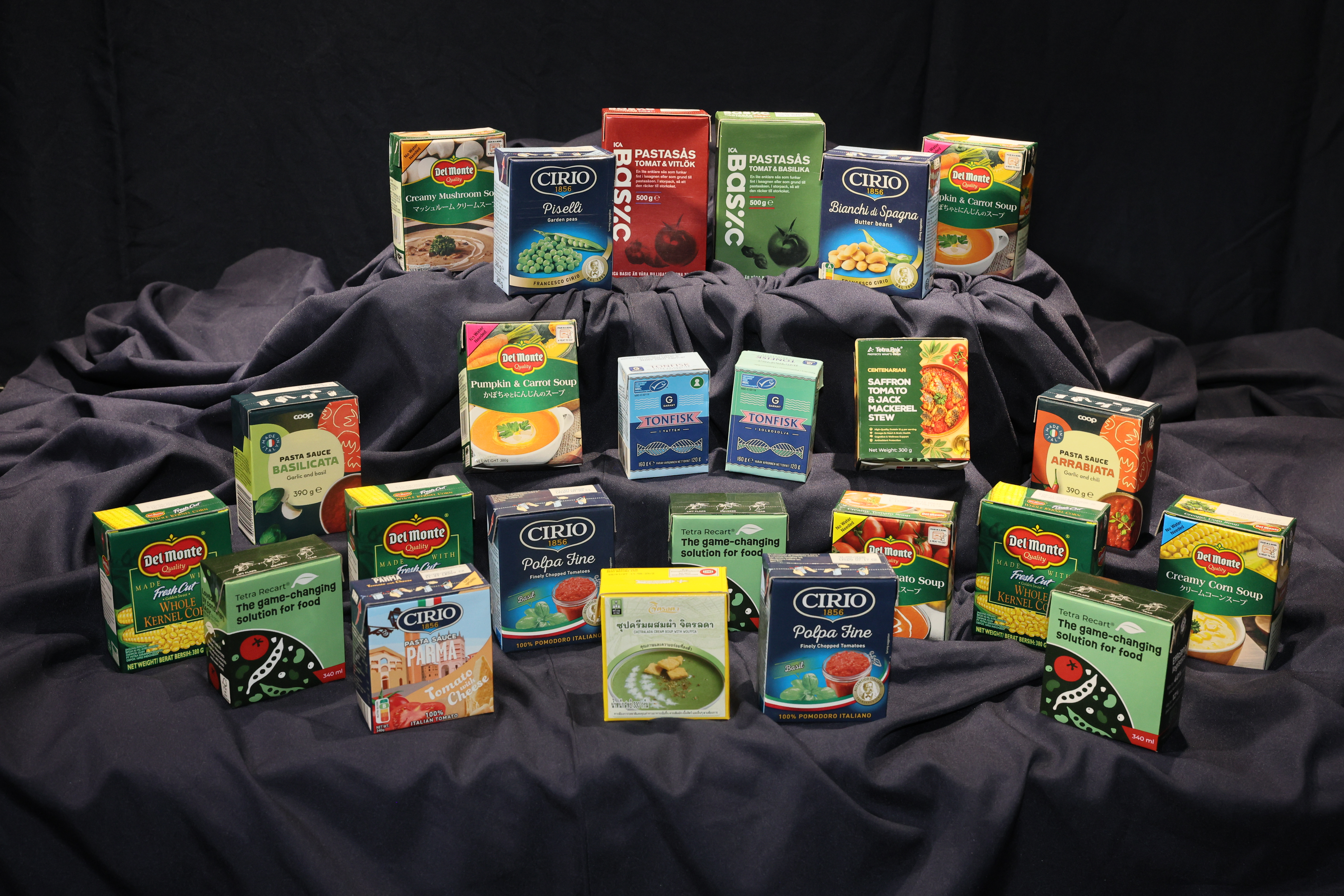
Tetra Recart® opens new packaging opportunity for Philippine tuna producers targeting global growth
Cost-competitive, paper-based alternative to cans helps producers differentiate, improve efficiency and respond to rising sustainability expectations in export markets
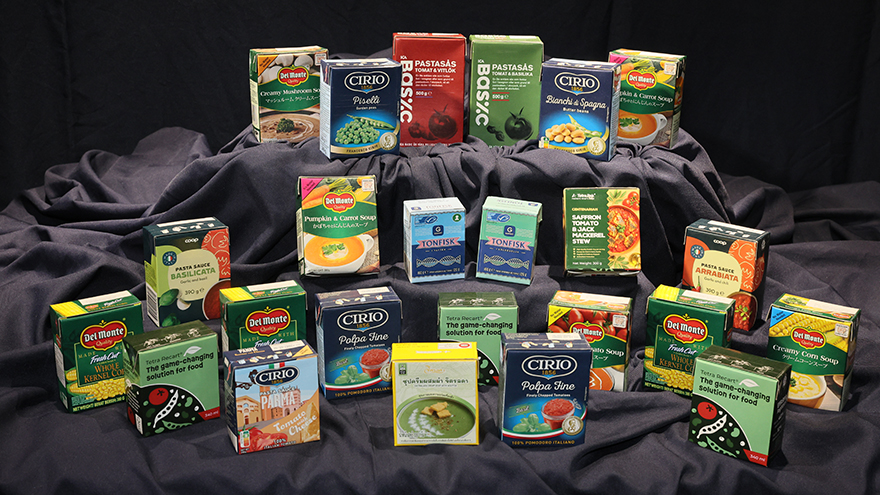
Pasig City, 23 October 2026 — Tetra Pak is introducing Tetra Recart® for shelf-stable tuna to the Philippine market, opening a new packaging opportunity for one of the country’s most important seafood export industries, following its commercial launch in Europe earlier this year.
A timely opportunity for Philippine tuna
This innovation comes at an important time for the Philippines. As one of the world’s leading tuna producers, the country exported 130,708 metric tonnes of tuna in 2024, valued at US$479 million, with canned tuna accounting for the largest share. The industry supports millions of people across fishing, processing, and exports while contributing to the country’s net trade surplus of US $1.19 billion. 1
As local producers seek to grow beyond volume, the opportunity lies in creating differentiated products for both domestic and international markets. Tetra Recart® offers a paper-based, shelf-stable packaging format that can help Philippine producers stand out on the shelf, improve operational efficiency, and advance sustainability commitments, all while bringing Filipino tuna to more consumers, locally and globally.
A new format for an established category
Tetra Recart® supports a wide range of shelf-stable Tuna products, from spreads and flakes to shredded tuna and chunks, with plans to expand into additional tuna preparations as the category evolves.
The global shelf-stable tuna market is expected to grow an estimated 12% to 12.4 billion units by 2030, reflecting rising demand for affordable, versatile, and long-lasting protein options2. This demand creates opportunities for producers that can respond to changing consumer and retailer expectations.
In a category long dominated by round cans, Tetra Recart® creates immediate shelf impact with its distinctive rectangular shape and large, flat printable surfaces for bolder branding and clearer product communication. Its compact, robust format also enables more efficient use of shelf and warehouse space, while its easy “pick and pack” design suits e-commerce, home delivery, and meal kits—helping brands stand out both in-store and online.
Consumer research also signals a strong appetite for the carton format: more than 80% of consumers globally say they would buy tuna packaged in Tetra Recart®. In comparison, 58% say they prefer it to existing tuna packaging alternatives.3
Setting a new benchmark for sustainability
Sustainability is also becoming an increasingly important consideration for global markets.
Beyond functional benefits, Tetra Recart® has the smallest carbon footprint of any package in its category—85% lower than steel cans and 83% lower than glass jars.4 At scale, this equates to 21,000 tonnes less CO₂ per 1 million cans.5 The package uses up to 71% FSC™ certified paper, sourced from responsibly managed forests and other controlled sources.
Europe is already an important destination for Philippine tuna. In 2024, the Philippines shipped more than $500 million worth of tuna products, including US$284.26 million in canned tuna exports to the European Union with Germany, Spain, and Netherlands among the markets served6. The country ranked fourth among the top canned tuna exporters to the European bloc.
Larry Tobias, Business Development Director, Tetra Pak Malaysia, Singapore, Philippines, and Indonesia (MSPI), said, “The Philippines has a strong foundation as one of the world’s leading tuna exporters. The next phase of growth will depend on the industry’s ability to respond to changing expectations in international markets, including the growing focus on lower-carbon packaging. Converting suitable tuna products from cans and glass jars to cartons can help Philippine producers strengthen their export offer and support the industry’s long-term, sustainable growth.”
As global demand for convenient, protein-rich foods grows, the shift to cartons presents a first-mover opportunity for Philippine tuna producers. By rethinking packaging early, they can differentiate their brands and help redefine how shelf-stable tuna is presented and perceived internationally—moving the category beyond a commodity and giving Philippine producers a clearer point of difference to grow locally and in export markets.
For more information, please visit Tuna | Tetra Pak Global
ABOUT TETRA PAK
We’re here to make food safe and available. It’s why we provide advanced food production systems. In collaboration with our customers and suppliers, driven by more than 24,000 dedicated employees worldwide, we protect food sustainably every day for hundreds of millions of people in more than 160 countries. Because we’re here to fulfill a purpose:
We commit to making food safe and available, everywhere, and we promise to protect what’s good: food, people and the planet.
More information about Tetra Pak is available at tetrapak.com.
1 Bureau of Fisheries and Aquatic Resources, Philippines Hosts 22nd Regular Meeting of the Tuna Commission, December 2025
2 Tetra Pak, Shelf stable tuna market assessment, commissioned by Meticulous Research, 2025.
3 Global Shelf-stable Tuna Market Assessment Study, Tetra Pak, October 2025
4 Tetra Pak, Comparative Life Cycle Assessment of Tetra Pak® carton packages and alternative packaging systems for beverages and liquid food on the European market, 2020.
5 Tetra Pak, Comparative Life Cycle Assessment of Tetra Pak® carton packages and alternative packaging systems for beverages and liquid food on the European market, 2020
6 Oceana, PH tuna exports risk losing sustainability certifications over municipal fishing issue, August 2025
MEDIA CONTACTS
Tetra Pak:
Shu En Liew
Communications Manager,
Malaysia, Singapore, Philippines, and Indonesia
Tetra Pak
Tel: +60 17 343 9590
shuen.liew@tetrapak.com
PR Agency Contact:
Marenz Sebastian
Virtusio International
Tel: +63917 537 6320
marenz@virtusio.com