Premium tank cleaning equipment reduces water and energy use while cutting cleaning time
Your tanks must be thoroughly cleaned after each batch to prevent contamination. That’s why tank cleaning is one of the most important operations to get right. Our tank cleaning portfolio will help you ensure that your tanks are effectively cleaned, and that they support food safety. Even the premium option can deliver a quick payback by reducing water and energy consumption – while minimising downtime due to cleaning. You can increase your production capacity while reducing your environmental footprint.
Lower your operating costs with reduced utilities consumption
Our tank cleaning options can help you reduce water and energy consumption, as well as effluent. With today’s utilities costs, there has never been a better time to invest in premium tank cleaning equipment.
Increase production capacity by minimising cleaning time
Our tank cleaning heads allow you to spend less time on cleaning, and more on production.
Fulfil your green agenda and reduce your environmental footprint
Not only is producing more with less good for the bottom line, but it’s also good for the environment and your reputation.
The best tank cleaning equipment + our expertise in the food and beverage industry
We work with the world’s leading suppliers and add our expertise and knowledge to optimise your tank cleaning – for product safety, operational costs, productivity and environ- mental footprint.
“With today’s higher cost of utilities, there has never been a better time to review your tank cleaning. We can conduct a cost and consumption analysis using your actual cost of water, energy and cleaning chemicals. Choose the option that will save you the most money in the long run.”
Angelo Mennecillo, Manager Plant Components & Processing Consumables Centre of Expertise at Tetra Pak®


Three levels of investment
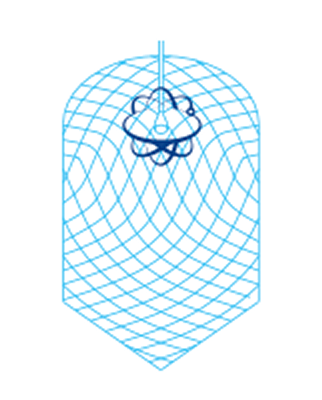
| Static Spray Ball (SSB) | |
| This basic option is a stainless-steel hollow ball that sprays the tank interior in a predefined cleaning pattern. It cleans using a ‘cascading effect’ – the cleaning liquid hits the tank wall and cascades down. The Static Spray Ball has a lower initial investment than either the Rotary Spray Head or the Rotary Jet Head. However, it uses more water, energy and cleaning chemicals to clean a tank, while producing more effluent. It also requires longer cleaning time. |
|
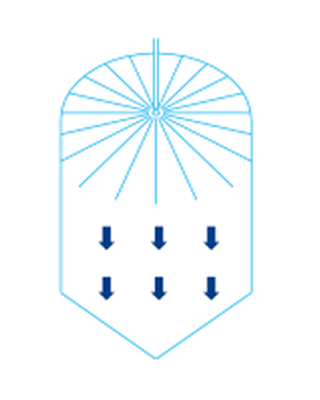
| Rotary Spray Head (RSH) | |
| This option is the next step up, with a spray ball that rotates. It can be easily retrofitted where a Static Spray Ball has been used. As the Rotary Spray Head starts to rotate it produces more impact with a mechanical scrubbing action. It requires a higher initial investment, but it also needs less cleaning liquid. You reduce water, chemicals and energy consumption, as well as cleaning time compared to a traditional static spray ball. |
|
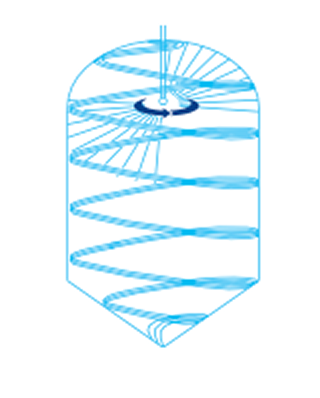
| Rotary Jet Head (RJH) | |
| This premium cleaning head involves a larger initial outlay, and potentially a different pump is needed to deliver the required pressure. Nonetheless, the payback is generally quick due to lower water, chemicals and energy consumption. The pre-rinse is far more efficient in removing debris from the tank wall before full cleaning proceeds, resulting in a cleaner, reusable CIP liquid. For additional peace of mind, you can install sensors that confirm the jet head has rotated and cleaned your tank successfully. |
|