Recycling activities towards a circular future


We drive circular packaging solutions by designing food and beverage packaging that's recycable in locations with adequate infrastructures for large-scale collection. We also use recycled materials, and invest in and collaborate to expand waste collection and recycling to keep reusing materials in and out of landfills.
 

Read the real stories of recycling investments that are having a real impact.

Designing for recycling

Our packaging is intended and designed for recycling, with consideration given to the full product life cycle.

Carton package in the woods

Making sustainable progress

To achieve a sustainable future for food packaging, a full value chain approach to circularity is needed. Collaboration and innovation will help us get there.
Recycled content

Recycled content in our packages

Expanding its portfolio to cover new formats, product categories and geographies, we are accelerating in the area of recycled content.
innovative beverage carton

Food package of the future

In 2023, Tetra Pak commences first-of-its-kind research into fibre-based food packaging to provide fresh insights towards the company’s journey to develop the most sustainable food package2.

Collection and recycling

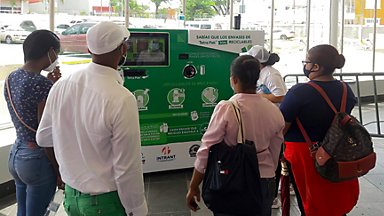
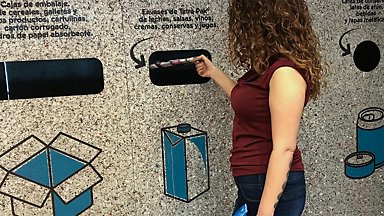
Our collection and recycling approach emphasises the need to create a food and beverage recycling value chain that performs, scales and delivers lasting economic impact.

Recycling innovation

The content couldn’t be loaded. Please refresh the page or try again later.

Community awareness

Increasing the value of recycled products

We invest in recycled products market development and innovative recycling technologies to drive the demand for materials and products recycled from post-consumer food and beverage cartons.

The content couldn’t be loaded. Please refresh the page or try again later.

Catalogues with PolyAl products

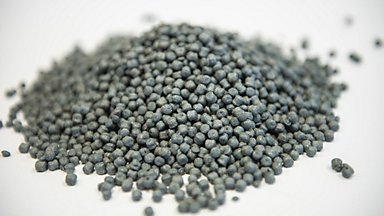
Recycled pellets from PolyAl

Catalogue of recycled plastics & aluminium materials

For the technical data of the polyAl material, an overview of the companies that recycle polyAl, and examples of end use, see our catalogue of recycled resins & aluminium.
Recycled products from used beverage cartons

Catalogue of recycled polyAl end-products

For different end-products produced using polyAl, including pallets, crates, boards and furniture, and the companies manufacturing them, see our catalogue of recycled polyAl end-products.

Select one of the focus areas to explore more stories

View all climate cases

Climate cases

Climate cases

Discover how we’re decarbonising our operations products and value change to mitigate the impacts of climate change.
View all nature cases

Nature cases

Nature cases

Discover how we’re reducing the impact of our value chain to help halt and reverse nature loss.
View all social sustainability cases

Social sustainability cases

Social sustainability cases

Discover how we’re driving better outcomes for our workforce, value chain and communities.
View all food systems

Food systems cases

Food systems cases

Discover our journey in reshaping food systems for security, resilience, and sustainability. Building secure systems can help improve livelihoods.

Contact us

hands holding ipad

Find out how we can help you lead the sustainability transformation.

Purpose of contact

Error - please enter purpose of contact

Contact us

Summary

Purpose of contact

Contact information

First name is mandatory
Last name is mandatory
Error - please select your country or region

Contact us

Summary

Purpose of contact
First name
Last name
Work e-mail
Country/Region
Something went wrong. Please try again.

How can I help you?

Please describe your enquiry using maximum 1000 characters. The message is mandatory.

1A low-carbon circular economy, meaning “eliminate waste and pollution, circulate products and materials (at their highest value) and regenerate nature”, we must shift from a “take-make-waste” mode towards a new way of thinking and acting.

2This means creating cartons that are fully made of renewable or recycled materials, that are responsibly sourced, thereby helping to protect and restore our planet's climate, resources and biodiversity; are convenient and safe, therefore helping to enable a resilient food system; and are fully recyclable.

3As per the definition of circular economy from EMF: "The circular economy gives us the tools to tackle climate change and biodiversity loss together, while addressing important social needs."  
Source: ellenmacarthurfoundation.org