
How the Circular Value Chain Works
Every used carton contains materials worth recovering. Once collected, cartons go to recycling facilities where the paper fibres are separated and recycled. The remaining layers of polymer and aluminium, known as PolyAl, are processed into durable products, so nothing goes to waste.

Driving Collection with SEED Ventures
Tetra Pak collaborates with SEED Ventures to strengthen the recovery of used beverage cartons from cities and urban centres across Pakistan. Through awareness initiatives, stakeholder engagement and collection-focused programs, SEED Ventures helps connect consumers, waste collectors, scrap dealers and recyclers, ensuring that valuable cartons are diverted from waste streams and directed toward recycling. Recent initiatives have supported carton collection and recycling awareness across cities including Karachi, Lahore, Islamabad, Sukkur, Hyderabad and Quetta.
By helping strengthen collection networks and encouraging responsible disposal practices, SEED Ventures plays a critical role in increasing the availability of recyclable material for downstream recycling partners.
SEED Ventures began working with the international MAPA team in Brazil in July 2025 to develop and refine a digital system supporting the UBC Champions programme. The collaboration focused on strengthening field monitoring, improving visibility across the collection network and creating a more useful information base for programme decisions. MAPA became operational in August 2025, establishing a foundation for recording and analysing collection activity.
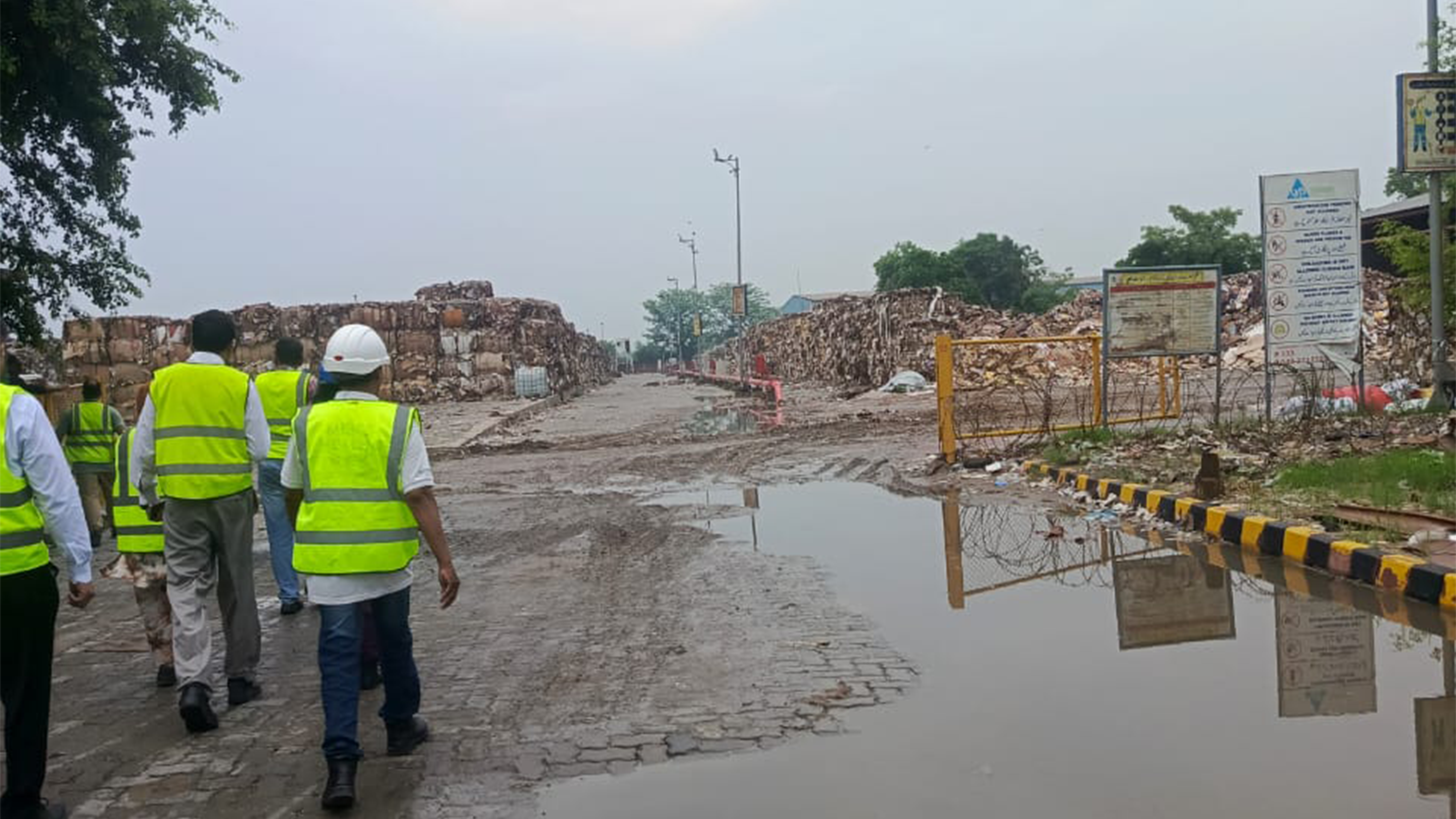
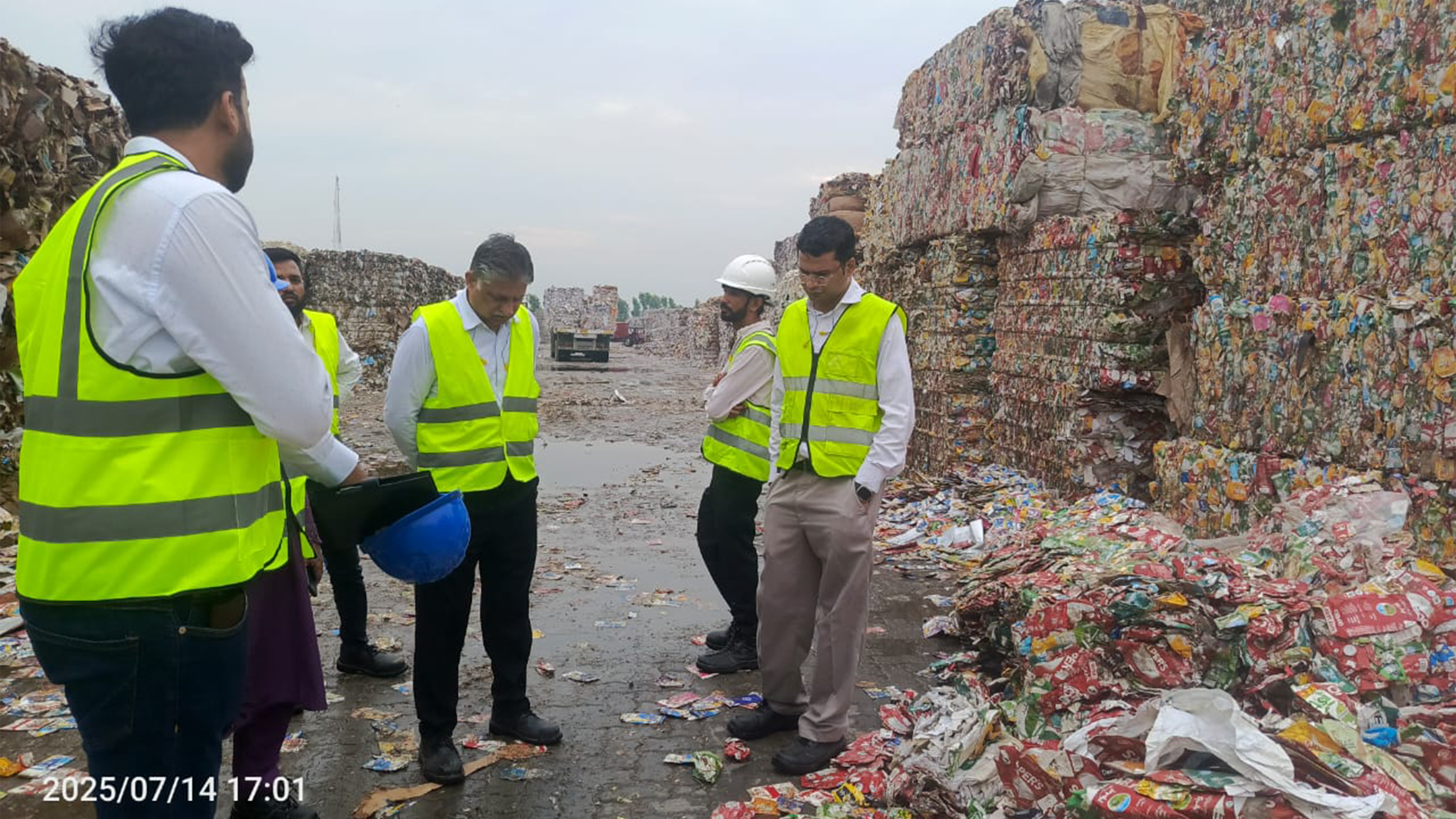
MAPA’s development has been informed by the working realities of junk dealers, aggregators and collection centres. These include how suppliers handle used beverage cartons, how material moves through intermediaries, and how purchasing prices influence collection and selling behaviour.
UBC collection follows several routes. Some suppliers sell directly to BSP, while others sell through aggregators or other intermediaries before material reaches a verified collection point. Making these connections visible is important for understanding each entity’s role and tracing material movement through the network.

Strengthening Fibre Recovery with Bulleh Shah Packaging
Bulleh Shah Packaging (BSP), one of Pakistan's leading renewable packaging companies, turns recovered carton fibres into liner, fluting and kraft paper. This reduces reliance on imported fibre and adds value to locally recovered material. Together, we are working to strengthen collection and recycling value chains, improve traceability and increase recycling capacity.
The collaboration between Tetra Pak and BSP is focused on strengthening carton collection and recycling value chains, improving material traceability and increasing recycling capacity to support long-term circularity.


