
By respecting human rights in our own operations and value chain, both people and society prosper.
The big picture
Access to adequate food is a human right, and of crucial importance for the enjoyment of other rights, as stated by the United Nations1. But food value chains depend on people, and the rights of workers across the globe remain under pressure. Figures from the 2025 Global Rights Index2 show that 80% of countries worldwide denied workers the right to bargain collectively on pay and 45% denied or constrained freedom of speech or assembly.
Forced and child labour remain a severe challenge. According to the International Labour Organization (ILO), 27 million people are in forced labour worldwide3 and both the ILO and UNICEF estimate 160 million children are in child labour globally.4 Preventing and mitigating discrimination and creating an inclusive workplace remain important aspects of social sustainability.
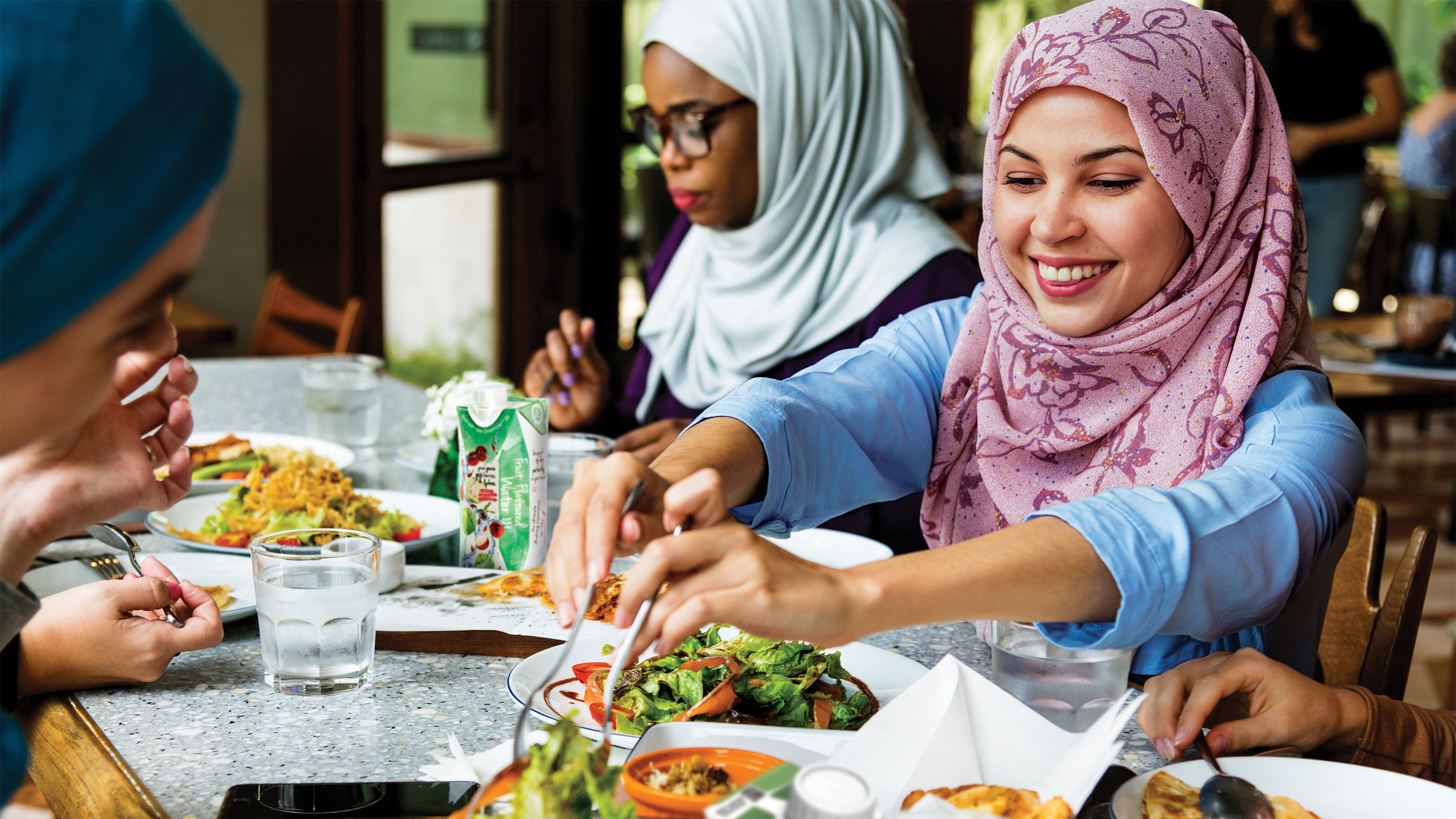

There’s also an interdependency between effects on people and on nature, with vulnerable groups and communities tending to be disproportionately affected by climate and nature-related impacts such as biodiversity loss and pollution. Against this backdrop, regulation on human rights and environmental due diligence is growing globally. Food access is also closely related to Social Sustainability and human rights.
You can find more information about this on our Food systems page.
Material topics
|
|
|
|
|
|
| Fair working conditions | Freedom from forced labour | Occupational health and safety (OHS) | Community health and livelihoods | Child safety and development | Consumer health and safety |


Our progress


1 Human rights are rights we have simply because we exist as human beings – they are not granted by any state. These universal rights are inherent to us all, regardless of nationality, sex, national or ethnic origin, colour, religion, language, or any other status. They range from the most fundamental – the right to life – to those that make life worth living, such as the rights to food, education, work, health, and liberty. Source: OHCHR, https://www.ohchr.org/en/what-are-human-rights.
2 Source: International Trade Union Conference, https://www.ituc-csi.org/global-rights-index.
3 Source: International Labour Organization, https://www.ilo.org/topics-and-sectors/forced-labour-modern-slavery-and-trafficking-persons.
4 2021, source: Unicef, https://www.unicef.org/press-releases/child-labour-rises-160-million-first-increase-two-decades.
5 Risky environments refer to: "At landfills, waste pickers work in hazardous conditions, are exposed to potentially hazardous materials and toxic fumes, lack personal protective equipment (PPE), and are at risk of severe injury from heavy machinery and vehicles." Source: Fair Circularity Initiative, https://faircircularity.org/fair-circularity-principles/.