Ventajas
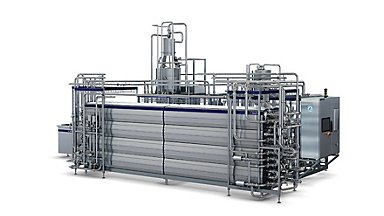
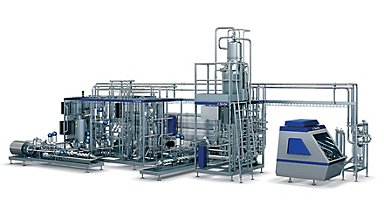
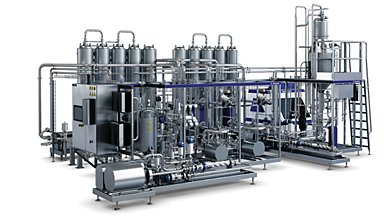
Tetra Therm® Aseptic VTIS representa un procesamiento directo a altas temperaturas de vanguardia para productos asépticos de primera calidad. Es una unidad de procesamiento aséptico para tratamiento UHT continuo con inyección directa de vapor. Principalmente para productos de baja acidez sensibles al calor, como leche, leche enriquecida, crema, leche de soja, productos lácteos formulados, mezclas para helados, postres lácteos y productos de larga vida útil (extended shelf life, ESL). El proceso también es adecuado para productos de consistencia homogénea como sopas, salsas, cremas no lácteas y otros productos a base de almidón y puede manejar partículas más pequeñas.
Información rápida
Sistema para el tratamiento UHT directo continuo de productos alimenticios líquidos en condiciones asépticas
Capacidad
2000 l/h a 30 000 l/h (la capacidad variable 1:2 es estándar)
Aplicaciones
Leche, leche enriquecida, crema, leche de soja, productos lácteos formulados, mezcla para helados, productos de larga vida útil (ESL), postres lácteos, cremas no lácteas y sopas y salsas de consistencia homogénea.

Calidad de alto nivel con UHT directo
- La carga de calor general baja reduce al mínimo el impacto en el sabor, el color y el valor nutricional
- Es apto para una amplia gama de productos lácteos y de origen vegetal.
- Mayor rendimiento operativo para sistemas de tratamiento directo a altas temperaturas (UHT) del mercado
Características
Inyección de vapor
Calidad de los productos y eficiencia
Se inyecta vapor rápidamente al producto, con un calentamiento instantáneo de 80 °C a altas temperaturas (Ultra High Temperature, UHT), seguido de condensación (solo 0,1 segundo) y equilibrio de temperatura. La combinación de una alta temperatura de esterilización y un período breve de calentamiento garantiza que los microorganismos y las esporas se desactiven con un impacto mínimo en el sabor y color del producto. El proceso también implica muy poca suciedad, que, a su vez, implica una capacidad extraordinaria de limpieza, menos tiempos de inactividad para limpieza y costos generales de limpieza más bajos.
Infusión de vapor
Minimiza el impacto en el sabor, el color y la consistencia del producto
El principio básico de la infusión de vapor es pasar un producto a través de una atmósfera de vapor para calentarlo. El sistema de esparcimiento del producto puede variar, pero debe dar como resultado un tamaño uniforme de gotas de leche para mantener un índice de transferencia de calor constante. El proceso de infusión de vapor es similar al sistema de inyección de vapor pero más cuidadoso (menos cizalladuras), lo que da mayor estabilidad de producto. Por lo tanto, es especialmente bueno para crema chantillí y productos que contienen estabilizadores. Sin embargo, necesita de más vapor y agua de enfriamiento y genera pérdidas de productos adicionales, lo que da como resultado entre un 4 % y un 8 % más de costo operativo que el sistema de inyección.
Refrigeración instantánea
Pérdida mínima de producto, operación y mantenimiento eficientes
La refrigeración instantánea, que tiene lugar en el recipiente de vacío equipado con condensador, permite un enfriamiento rápido del producto. Se mantiene un vacío parcial por medio de una bomba y se controla para asegurar que se evapore la misma cantidad de agua que se agregó anteriormente en forma de vapor. El gran diámetro y la parte superior con forma cónica, junto con la gran distancia entre la entrada del producto y la salida de vapor, garantizan un traslado bajo y una pérdida mínima de sabor.
El recipiente de vacío compacto con un condensador incorporado le da una esterilización previa y una limpieza rápidas y eficientes. También se diseñó para que tenga un acceso fácil para inspeccionar, reparar y mantener.
Sistema doble de depósito de equilibrio
Bajos niveles de pérdidas de producto
Existe un depósito para el producto y uno para el agua. Este último, el depósito de compensación por lote de CIP (limpieza en el sitio), se utiliza como un depósito de agua secundario en el cambio de agua a producto, lo que permite una interfaz fuerte de agua a producto. Además, un diámetro menor de la parte inferior acorta la fase de mezcla. El llenado y vaciado de volumen controlado minimiza las pérdidas de producto a menos de 150 litros por ciclo de producción de 15.000 litros.
Paneles protectores del intercambiador de calor
Gran potencial de ahorro de energía
Los paneles de protección colocados en torno al intercambiador de calor tubular Tetra Pak® encapsulan el equipo y retienen el calor. Esto permite ahorrar hasta un 6 % en el consumo de energía en comparación con los intercambiadores de calor sin paneles. Gracias al aislamiento agregado, los ahorros pueden aumentar hasta un 11 %. Los paneles también aumentan la seguridad de los operadores, ya que reducen el riesgo de contacto con superficies calientes.
Sistema de protección flotante del intercambiador de calor
Vida útil más prolongada y eficiencia excepcional
El producto aséptico en el interior de los tubos del Tetra Pak® Intercambiador de calor tubular fluye a mayor presión que el producto sin tratar en el lado del casco. Un sistema de protección flotante permite una expansión térmica, lo que reduce enormemente el riesgo de daño por grietas y, por lo tanto, de pérdida de esterilidad. Además de prolongar su vida útil, mejora la inocuidad alimentaria.
Solución de calentamiento combinado
Mantiene bajos los costos operativos
En vez de comprar dos unidades diferentes, puede comprar un modelo combinado listo o mejorar su equipo existente para administrar métodos directos e indirectos de calentamiento. Cuando fabrica productos de primer nivel, el modo VTIS (UHT directo) da sabor y color ideales. Cuando fabrica una variedad de productos (es decir, calidad de productos estándares y de primer nivel), es posible hacer funcionar el equipo en modo Flex (calentamiento indirecto) o modo Plus (que combina calentamiento directo e indirecto) y así, reducir los costos de servicios públicos.
Regulador automático de humedad
Para obtener tiempos de ejecución más prolongados
Los reguladores de humedad del homogeneizador absorben la variación de presión y de impacto antes y después de la homogeneización. El llenado automático de aire mantiene el colchón de aire en el regulador de humedad del homogeneizador para asegurar un funcionamiento sin problemas. Sin el colchón de aire, ocurrirían vibraciones y cavitaciones que acortarían el tiempo de ejecución. Se incluye CIP (limpieza en el sitio) completamente automatizada, lo que aumenta la seguridad de los operarios, la higiene y la optimización del ciclo de producción.

Manual de procesamiento de lácteos
El manual de procesamiento de lácteos concentra nuestro vasto conocimiento técnico y ofrece información detallada sobre los procesos de fabricación de una manera fácil de comprender.
%20(1)?wid=384&hei=216&fmt=jpg&resMode=sharp2&qlt=85,0&op_usm=1.75,0.3,2,0)