
Why keeping recycled materials in use for longer matters
In 2025, the global collection for recycling rates of food and beverage cartons was estimated to 27% with approximately 1.3 million tonnes of food and beverage cartons collected and sent for recycling1.
Most collected cartons are sent to paper mills, where the fibres are recovered and reused in products like cardboard boxes, office paper and tissues. The polyAl layers2 are turned into pellets, given a second life in items such as crates and outdoor furniture. By keeping valuable materials in circulation, we reduce waste and support a more sustainable circular economy.
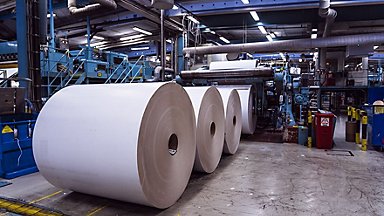
Where paper mills use dedicated pulpers to process carton packages, the remaining polyAl can be sent to plastic and aluminium recyclers to be recycled into products such as panels, pallets, crates, furniture, and tiles.
There’s a growing number of polyAl recyclers, and it’s part of our strategy to accelerate the recycling capacity for all materials of carton packages. The more that materials are kept in use, the more that demand for virgin resources can be reduced and the environmental impact associated with their extraction and processing can be minimised.


Increasing the value of recycled products to accelerate demand
We invest in recycled products market development and innovative recycling technologies to drive the demand for materials and products recycled from post-consumer food and beverage cartons. Focusing on high value applications for post-consumer food and beverage cartons is key to improving the economics of the recycling value chain.


1 The total volume of food and beverage cartons placed by the entire industry on the market is estimated from externally available industry data and research. The quantity of food and beverage cartons collected for recycling is based on the latest official data published or supplied by reliable sources such as governmental bodies, registered recycling organisations, national industry associations or nongovernmental organisations, etc. In cases where such official data is unavailable, the figure is based on our best estimate.
2 The non-fibre component of carton packages is known as polyAl, which designates the layers of polyolefins and aluminium being used as barrier.