
Growing populations with higher incomes will create a heightened demand for goods and services, and for the material resources to support this growth, according to the OECD.1 Reusing, repairing, refurbishing or recycling equipment will be critical to keeping materials in use for as long as possible at the highest value possible.
Our packaging and processing equipment business focuses on three key circularity initiatives:
|
|
|
| Deploying circular and low emission raw materials for equipment | Helping customers find efficiencies in their operations | Expanding the lifespan of our equipment. |


Customer operations
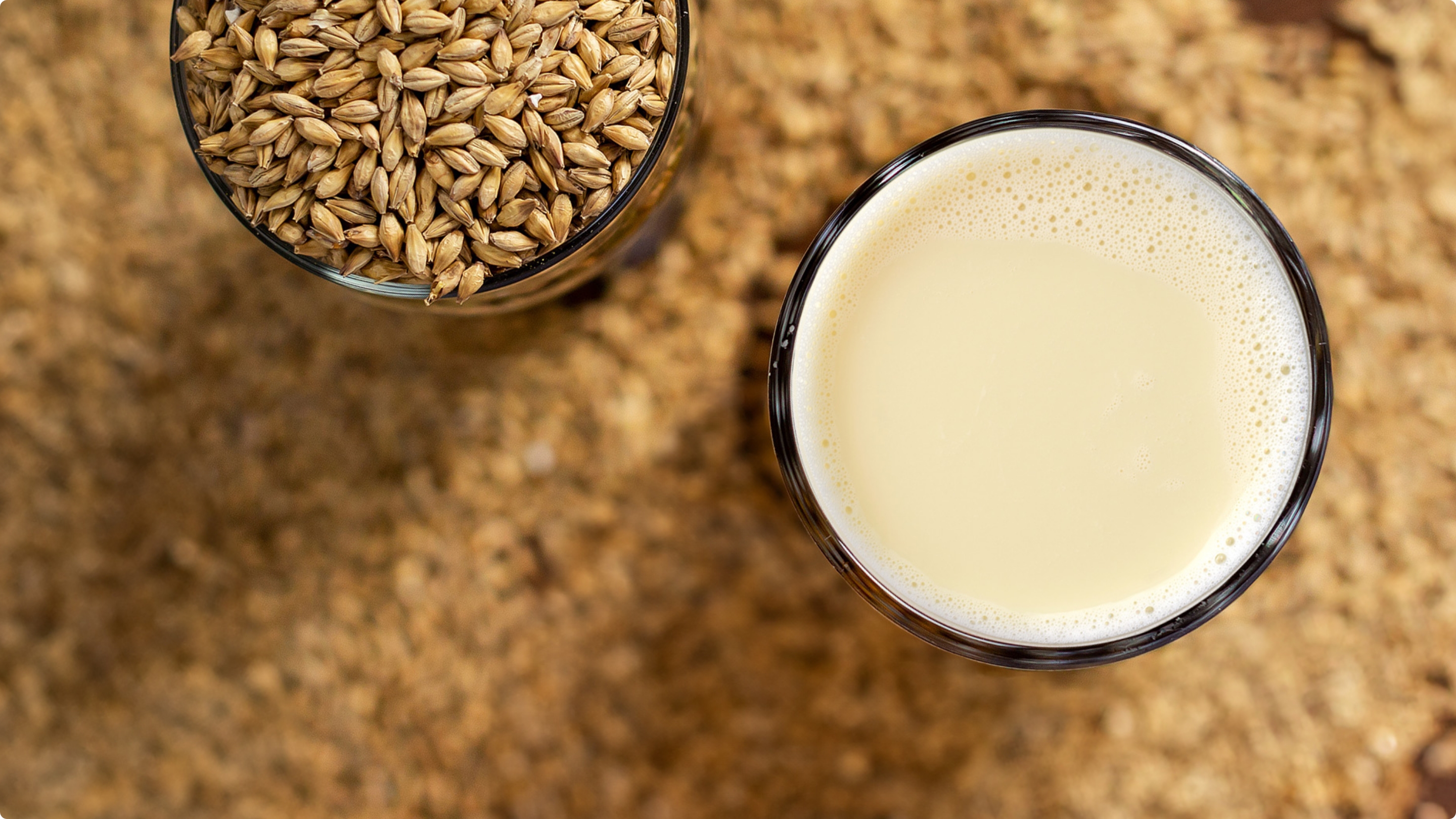
We enable efficiencies in customer operations by deploying our solutions to support customers in their own sustainability journeys. Our processing best practice lines reduce water and energy consumption, and cut product losses. They even enable the upcycling of current by-product streams such as spent grain and whole soya into food components.
We seek to expand the lifespan of our equipment in two ways:
|  | |
| by designing for longevity, thus increasing the lifespan of parts | by deploying upgrades through our certified renovated equipment |


1 Unless otherwise noted, all information in this article is based on lengthy interviews with Mark Day and Nikolay Andreychikov, two Tetra Pak upgrades experts who have extensive experience supporting food and beverage producers around the globe navigate plant obsolescence and lifecycle management challenges.