The anatomy of
Tetra Pak® carton packages

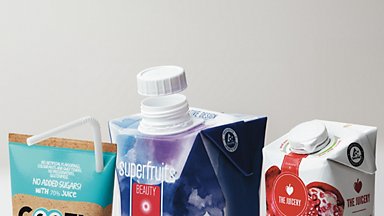
At first glance, a Tetra Pak® package looks simple – just a neat shape made of carton. But look a little closer and you’ll find there’s much more going on. Every layer has a specific job to do: the paperboard gives the package its rigidity and strength, the polymers keep moisture out, and the thin aluminium barrier protects against light and oxygen. Together, they create a lightweight, yet powerful structure designed to keep your product safe throughout its shelf life.
The anatomy of
Tetra Pak® carton packages

At first glance, a Tetra Pak® package looks simple – just a neat shape made of carton. But look a little closer and you’ll find there’s much more going on. Every layer has a specific job to do: the paperboard gives the package its rigidity and strength, the polymers keep moisture out, and the thin aluminium barrier protects against light and oxygen. Together, they create a lightweight, yet powerful structure designed to keep your product safe throughout its shelf life.

What goes into a carton package?

Paperboard role, packaging material

Paperboard: The core of every carton

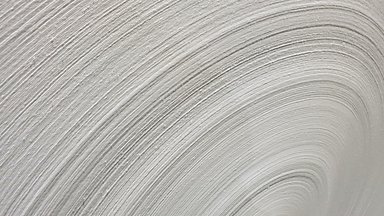
On average, around 70% of a Tetra Pak® carton is made from paperboard – a renewable material that gives structure, strength, and a lower climate impact compared to other packaging options.1 By sourcing responsibly, we aim to safeguard the natural resources we rely on, support biodiversity, and deliver packaging that’s both protective and more renewable. 

Polymer granules

Polymers with purpose

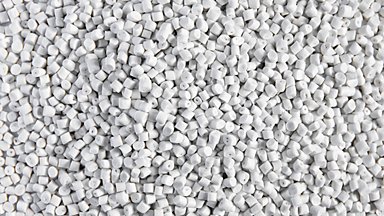
Polymers play a specific role in our cartons – protecting against moisture, and enabling practical features like caps and straws. But they also offer a chance to drive sustainability. From pioneering plant-based caps to introducing certified recycled polymers, we’re reducing reliance on fossil plastics and boosting circularity across our packaging.

Aluminium⁠ foil

Aluminium: Thin layer, vital impact

Inside every aseptic carton, an ultra-thin layer of aluminium – eight times thinner than a human hair – protects food from light and oxygen, keeping perishable food safe for months without refrigeration. We’re constantly working to make this layer ever thinner and to pioneer alternative materials that will further reduce our packaging’s carbon footprint while maintaining the highest standards of food safety.

Towards the world’s most sustainable food package3

We are pushing the boundaries of packaging innovation and are working to increase the renewable content in our products by, for instance, offering paper-based straws and sugarcane-based plastic layers and caps. To ensure that our materials are sourced responsibly and sustainably, we are working to voluntary sustainability standards such as those from the Forest Stewardship Council™ (FSC™) and Bonsucro. But our work is far from finished. We’re working towards a paper-based package made solely from responsibly sourced renewable or recycled materials, and fully recyclable, while securing the same levels of quality and safety.

Get in touch with us!

Service engineers training

Have questions about our solutions and products, or need some expert advice? Our friendly team is here to help! Just fill out the form, and we’ll get back to you as soon as possible.

Purpose of contact

Error - please select one option that best describes your request

Business area of interest

Select one or more business areas
Error - please select business area of interest

Get in touch with us!

Summary

Purpose of contact
Business area of interest

Specific area of interest

Error - please select one option that best describes your request

Get in touch with us!

Summary

Purpose of contact
Business area of interest

Scope of request

Error - please select one option that best describes your request

Food category

Error - please select one option that best describes your request
  • Error - please select one option that best describes your request
  • Error - please select one option that best describes your request
  • Error - please select one option that best describes your request
  • Error - please select one option that best describes your request
  • Error - please select one option that best describes your request

Get in touch with us!

Summary

Purpose of contact
Business area of interest

Specific area of interest

Error - please select business area of interest

Get in touch with us!

Summary

Purpose of contact
Business area of interest
Specific area of interest
Scope of request
Food category

What describes your request the best

Error - please select one option that best describes your request
Please describe your enquiry using maximum 1000 characters. The message is mandatory.

Get in touch with us!

Summary

Purpose of contact
Business area of interest
Message
Specific area of interest
Scope of request
Food category
What describes your request the best
Your role

Company information

Enter your valid company e-mail address, such as example@company.com
First name is mandatory
Last name is mandatory
Phone number is mandatory. Please include country code.
The city of workplace is mandatory
Error - please select your country or region
The company name is mandatory

Thank you for your interest

Your request has been submitted to our teams and we will be in touch shortly. Please click on the button below if you want to submit another request or if you have another query for us.

Something went wrong!

Your request could not be sent at this time. Please try again later, or contact support if the issue persists

1. Source: ifeu 2020, “Comparative Life Cycle Assessment of Tetra Pak® carton packages and alternative packaging systems for beverages and liquid food on the European market."

2 For example, up to 37%. Carbon Trust-verified Tetra Pak ‘Carton CO2 Calculator’ model version 11 (valid from 2025-01-01). Scope: cradle-to-grave measurement of a Tetra Brik® Aseptic 1000 Edge with Plant-based LightCap™ 30 (and plant-based polymers in coating) compared to a standard Tetra Brik® Aseptic 1000 Edge LightCap™ 30 package. Geography: Tetra Pak global average data. View the full carbon footprint report for Tetra Brik® Aseptic 1000 Edge LightCap™ 30.

3. Paper-based, with the lowest possible carbon footprint, made solely from responsibly sourced renewable or recycled materials, and fully recyclable. This means creating cartons that are fully made of renewable or recycled materials, that are responsibly sourced, thereby helping to protect and restore our planet's climate, resources and biodiversity; contributing towards low carbon production and distribution; are convenient and safe, therefore helping to enable a resilient food system; and are fully recyclable.