Informazioni rapide
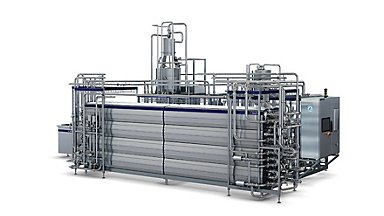
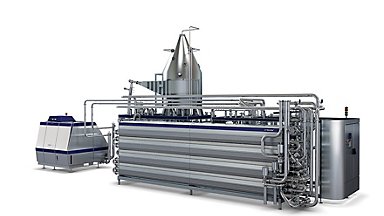
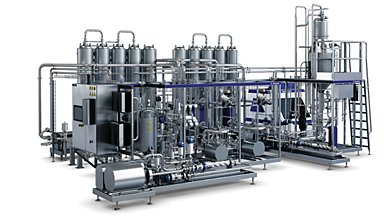
Un'unità di trattamento per il trattamento ad alta efficienza, a ciclo continuo e ad alta temperatura di cibi pronti. L'unità è dotata di disegni di riempimento asettico e contiene un Tetra Pak® Tubular Heat Exchanger per il riscaldamento indiretto, al fine di ottenere un prodotto che può essere conservato a temperatura ambiente.
Capacità
2.000-20.000 l/ora, in base al prodotto. Altre capacità su richiesta
Applicazioni
Zuppe, salse, dessert, preparati a base di frutta, prodotti a base di pomodoro e altri prodotti a basso o alta viscosità, con o senza pezzi

Alimenti eccezionali grazie a conoscenze eccezionali

Caratteristiche

Configurazione flessibile dell'hardware
Versatilità del prodotto e a prova di futuro
Grazie a componenti accuratamente selezionati, testati e collaudati risulta facile espandere e aggiornare il sistema per soddisfare le future esigenze di capacità e di produzione. Sono inoltre disponibili soluzioni sia per il portafoglio di prodotti attuale che per quello futuro, dal momento che il design consente di trattare i prodotti, asettici/non asettici o omogenei/con particelle, con una vasta gamma di viscosità.
Trattamento a caldo ottimizzato
Qualità e integrità delle particelle sempre elevate

Design igienico
Assicura la sicurezza degli alimenti

Controllo basato su PLC
Per massimizzare il ROI
Il nostro intuitivo controllo basato su PLC consente di controllare completamente ricette e parametri, per sfruttare al meglio l'impianto di produzione. Il ritorno sull'investimento è elevato, grazie alle ridottissime possibilità di errore umano, la qualità omogenea, l'elevato rendimento e i costi ridotti. Il nostro sistema di supervisione Tetra PlantMaster™ offre un monitoraggio di livello superiore per le sale di controllo, offrendo la comodità di panoramiche su grafici, instradamento/selezione dei prodotti, registrazione avanzata dei dati, report automatici, tracciabilità completa e manutenzione preventiva semplificata.
Ammortizzatore automatico dell'omogeneizzatore
Per tempi di funzionamento prolungati
Gli ammortizzatori dell'omogeneizzatore assorbono le variazioni di pressione e gli urti prima e dopo l'azione dell'omogeneizzatore. Il riempimento automatico dell'aria garantisce la presenza costante di un cuscinetto d'aria all'interno dell'ammortizzatore dell'omogeneizzatore, per un funzionamento ottimale. Senza il cuscinetto d'aria, si verificherebbero vibrazioni e cavitazioni che potrebbero ridurre i tempi di funzionamento. È incluso un Cleaning In Place (CIP) completamente automatizzato, che aumenta la sicurezza per l'operatore, migliora l'igiene e ottimizza il ciclo di produzione.