
优势
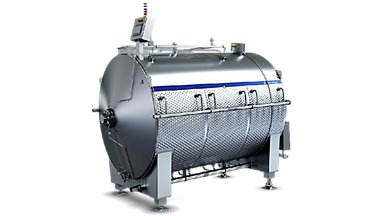
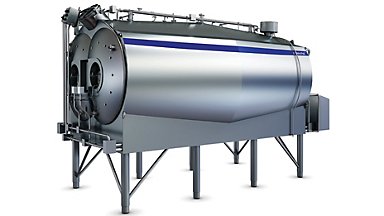
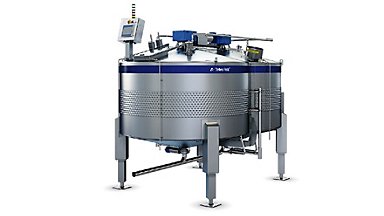
利乐®白软干酪槽E4是一种全自动的封闭式解决方案,用于农家奶酪及其他白软干酪的凝乳制备。该设备经过精密工程设计,确保产品质量始终如一,并将废弃物降至最低。其封闭式设计不仅提供卓越的卫生条件,更能通过提升产量和降低劳动力需求来提高盈利能力。得益于加工槽的众多创新,我们能够对加热速率、奶酪细屑含量以及凝乳颗粒均匀度提供可靠保证。

利乐®白软干酪槽E4
了解封闭式受控工艺的优势
- 采用开放式加工槽无法实现的全自动单次切割工艺,几乎无需操作员干预,即可产出质地均匀的凝乳。
- 得益于槽体全程均匀加热,产品质量比开放式解决方案更为均一。
- 凭借更高的生产卫生标准及优化稳定的工艺条件,实现卓越的产品安全性与长久的保质期。

特点

加热夹套
均匀的凝块温度,无过热风险
加热夹套位于奶酪槽的底部和侧壁上,能确保均匀、快速和可控的热传递。通过控制传递到奶酪凝块中的热量,我们也控制了脱水收缩的速度。这使得我们可以确定最终产品中的确切含水量。

挤出式入口设计
提高食品安全性和延长设备使用寿命
在传统的奶酪槽中,焊接的接头一般垂直于内套壁。 随着时间的推移,它在加热和冷却时会膨胀和收缩,引发焊接点出现裂纹的风险。 在此装置中,所有从内套壁接出的接头(通向原位清洗(CIP)、水、检修孔排出的乳清等)都被挤压出来,形成了一个光滑的钢弧。 这可以防止产生由热应力引起的裂缝。

翻转系统
减少产品浪费
清空流程即将结束时,奶酪槽底部的压力变送器发出一个翻转奶酪槽并清空最后的凝块的信号。这能确保奶酪槽中没有残留的产品,进而减少浪费。

锯齿状后壁
没有未被切割的凝块
奶酪槽的后壁上每隔一定的距离有一些锯齿凹口。这意味着对凝块进行纵向切割时,竖琴状切割机可以继续切割到凝固的凝块的边缘。这意味着没有“未被切割”的凝块,从而减少浪费。

叶片设计






农家奶酪领域正在不断发展——您能否跟上步伐?
农家奶酪热潮开拓了新的需求和消费群体。为了在提供优质产品的同时最大限度地提高产量,许多生产商纷纷探索新型技术。在这篇文章中,利乐专家Lisa Stanger探讨了能够影响农家奶酪未来的挑战和解决方案。


