
Faydalar
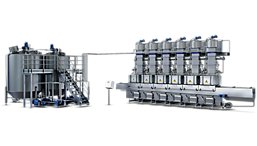
Tetra Pak® Casomatic Sistemi SC7 modülü hiç olmadığı kadar verimli bir şekilde yüksek kaliteli peynir ve peynir altı suyu üretmenizi sağlar. Tetra Pak Casomatic Sistemi SC7, tek bir hatta peynir altı suyu drenajı, ön presleme, hassas peynir bloku oluşturma ve kalıp ile dondurma için tamamen otomatik ve kontinü sistem sunar.
Tetra Pak Casomatic Sistemi SC7, sert ve yarı sert peynir türlerinin üretimi için uygundur ancak peynir altı suyu giderici bir elek ilavesiyle granüler peynir türleri de üretilebilir.
Esnek bir peynir altı suyu drenaj sisteminin uygulanmasıyla her kolon için yüksek kapasiteye ulaşılabilir. Tek bir boyutta peynir üretiminde seçilmesi gereken sistem Tetra Pak Casomatic Sistemi SC7'dir.
Tetra Pak Casomatic Sistemi SC7 aşağıdaki avantajları sağlar:
- Verimli çözüm
- Uzun üretim süreleri
- Güvenilir performans
- Mükemmel peynir altı suyu kalitesi
- Doğru nem içeriği
- Mükemmel ağırlık hassasiyeti
- İyi peynir kalitesi
- İyileştirilmiş çevresel performans

Verimli ve etkili orta ila yüksek hacimli peynir üretimi
- Peynirler için hassas işleme ve kendi kendine temizlik işlevi sayesinde yüksek kaliteli peynir ve peynir altı suyu üretimi
- Ağırlık ve nem farklılıklarını ortadan kaldıran, sıkı kontrollü prosesle en üst seviyede verim
- Hijyenik çalışmaya sahip sertifikalı makineler gıda güvenliğini iyileştirir ve daha kısa temizlik döngülerine olanak sağlar
Özellikler

Çukurlu ceket soğutması
Nem içeriğindeki değişkenlikleri azaltır
Tampon tankı tasarımı
İstikrarlı bir peynir altı suyu / kesmik oranı sağlar
Drenaj sistemi
Tahliye edilen peynir altı suyu hacmini kontrol eder
Peynir altı suyu sirkülasyon sistemi
Üretim sırasında makineyi temiz tutar
Peynir altı suyu sirkülasyon sistemi drenaj bölümündeki ince kesmiği hareket halinde tutar ve çökelmesini önler. Akış bölücüler ek parça kenar çıkıntılarında kesmik birikimini en aza indirerek üretim sırasında mikroorganizma üremesini sınırlandırır ve daha kısa CIP - Yerinde Temizliğe olanak sağlar.
Kesmik bloğu biçimlendirme
Yüksek kaliteli bir görünüme sahip peynir kalıpları sunar

Otomasyon sistemi
Üretimi izler ve düzensizlikleri telafi eder
Taşıma bandı
Hassas işleme
Dozlama odası tasarımı
Daha hijyenik üretim için
Kapalı dozlama odası peynir altı suyunun herhangi bir kesmik oluşmadan, yukarıdan aşağıya akmasını sağlayacak şekilde tasarlanmıştır. Bu sürekli peynir altı suyu akışı, bakteriyel üremeyi en aza indirmek ve daha uzun üretim seferlerine olanak sağlamak için düzenli yıkamayla bir araya getirilmiştir.


