
メリット
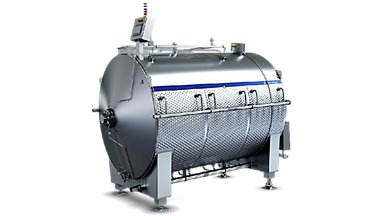
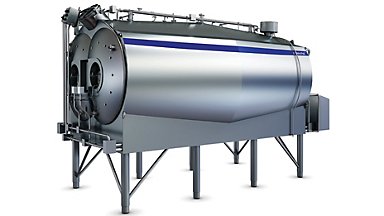
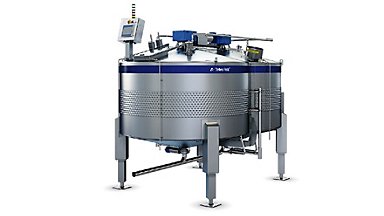
テトラパック®グレイニーチーズバット E4 は、カッテージやその他の粒状チーズでカードを準備するための完全に自動化された密閉型ソリューションです。廃棄物を最小限に抑えながら一貫した製品の品質を保証するよう慎重に設計されています。優れた衛生性を提供するだけでなく、密閉設計は歩留まりの改善をサポートし、労働力の必要性を削減することで収益性を向上させることができます。バットの多くのイノベーションにより、加熱速度、チーズの微細量、カード粒子サイズの均一性を保証できます。

密閉型で制御された食品加工処理のメリットを確認する
- オペレーターの負担を最小限に抑えた均質なカード。これは完全自動化されたシングルカットプロセスによるもので、オープン型のバットでは不可能。
- バットの全長にわたって均一に加熱されるため、オープン型のソリューションよりも製品の品質が均一に。
- 優れた製品の安全性と長い品質保持期間、製造衛生の向上、最適化された安定した食品加工処理条件。

特長

加熱ジャケット
均一なカード温度と過熱リスクの排除
加熱ジャケットはバット底部と側壁に配置され、均一かつ急速、そして制御された熱伝導を確保します。チーズカード (凝乳) に対する熱伝達を制御することによって、 離漿の速度も制御します。これにより、最終製品の含水量を正確に決定することができます。

押し出しインレット設計
食品の安全性の向上と機器寿命の延長

ティッピング・システム
製品の無駄を削減
排出工程の最終段階になるとバット底部の圧力トランスミッタが信号を送信し、バットが傾いて最後のカードが排出されます。これによって、バット内に製品が残ることがなく、無駄を低減できます。

インデント付き後壁
余すところのないカードの切り分け
バットの後壁には一定の間隔でインデントがついています。すなわち、カード (凝乳) が縦に切り分けられると、凝固したカード 塊の一番端までハープが切り分けを続けることができます。「切り分けられていない」カードは残りませんので、無駄を低減できます。

ブレード設計






カッテージチーズの世界は進化しています。それについていけていますか?
カッテージチーズブームは、新しい需要と新しいタイプの消費者をもたらしました。高品質の製品を提供しながら生産量を最大化するために、多くのメーカーは新しいタイプの技術を模索しています。この記事では、テトラパックの専門家である Lisa Stanger が、カッテージチーズの未来を変える課題とその解決策について考察します。


